
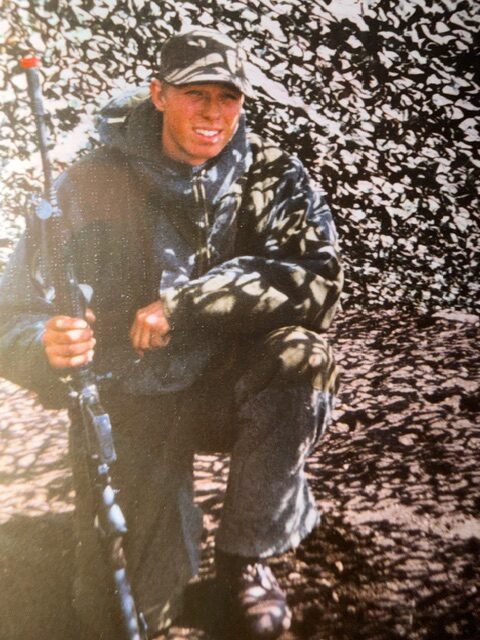
Everyone came home. Here’s the leadership lesson behind that.
What a successful mission taught me about building teams that don’t need you — and why that’s the whole point.
Thank you for reading this post, don't forget to subscribe!Writing about teams, trust, and real-world leadership
4 min read · Leadership & Management
The mission went well. And honestly? The best part wasn’t the outcome — it was that everyone came home safe. That’s what winning really looks like.
People think good leadership means being the smartest one in the room. That the leader has to have all the answers, call every shot, and stay in control of everything. I used to think that too. I was wrong.
In the military, we use something called decentralized execution. Big words, simple idea: your team doesn’t just follow your orders — they understand the mission well enough to make good decisions on their own. No waiting. No asking permission for every little thing. They just move.
Think of it like a machine where every single part knows its job. It runs smooth because nothing is stuck waiting on one person to tell it what to do.
I’ve watched leaders try to do it all themselves. They micromanage from the sidelines, jump in at every decision, and act like their job is to be needed at every step. Here’s what actually happens: the team slows down, people stop thinking for themselves, and the leader burns out trying to carry everyone.
That’s not leadership. That’s a bottleneck with a title.
A real leader’s job is to build a team that can operate without them. You’re not trying to be the hero. You’re trying to create heroes around you.
When I give my team a mission, I use a simple framework called CLEARE. It gives everyone — even the newest person — everything they need to make smart decisions and keep moving.
What’s the edge of their authority? How much risk can they take on their own?
Why does this matter? What’s the bigger goal we’re working toward?
What does success actually look like for this task?
What steps will get us there?
What should they avoid? What are the guardrails?
How long do they have to reach the goal?
When your team understands these six things, even the newest person can make good choices that push things forward. No hand-holding needed.
I’ve taken this same approach into business, and it works just as well. I once worked with a CEO who was trying to control everything in his company. He was exhausted. His team was stuck. Nothing could move without him.
We used decentralized execution. We gave each team a clear mission and the freedom to make their own calls. The results were hard to argue with.
That’s what happens when you stop trying to control everything and start trusting your team to own the outcome.
Don’t just manage your team. Give them a mission. Let them act. Trust them to own the outcome. That’s how you turn a group of people into something that can actually succeed on its own — with or without you in the room.
The best sign that you’re doing it right? The mission goes well, and everyone comes home safe. That’s the win that matters most.
(1)Hire the highest caliber professional you can afford.
(2)Guide and collaborate to elevate the overall teams performance.
(3) Create a fun team environment that promotes cohesive collaboration and celebrating incremental achievements.